FREE QUOTE

Fill out form for your floor cost estimate.

    By providing your contact information, you consent to be contacted by us via email and/or text message. This site is protected by reCAPTCHA and the Google Privacy Policy and Terms of Service apply.

    Polyaspartic Pool Deck Coating vs Bare Concrete: Which Is Better?

    How Do I Choose a Garage Floor Coating Contractor?

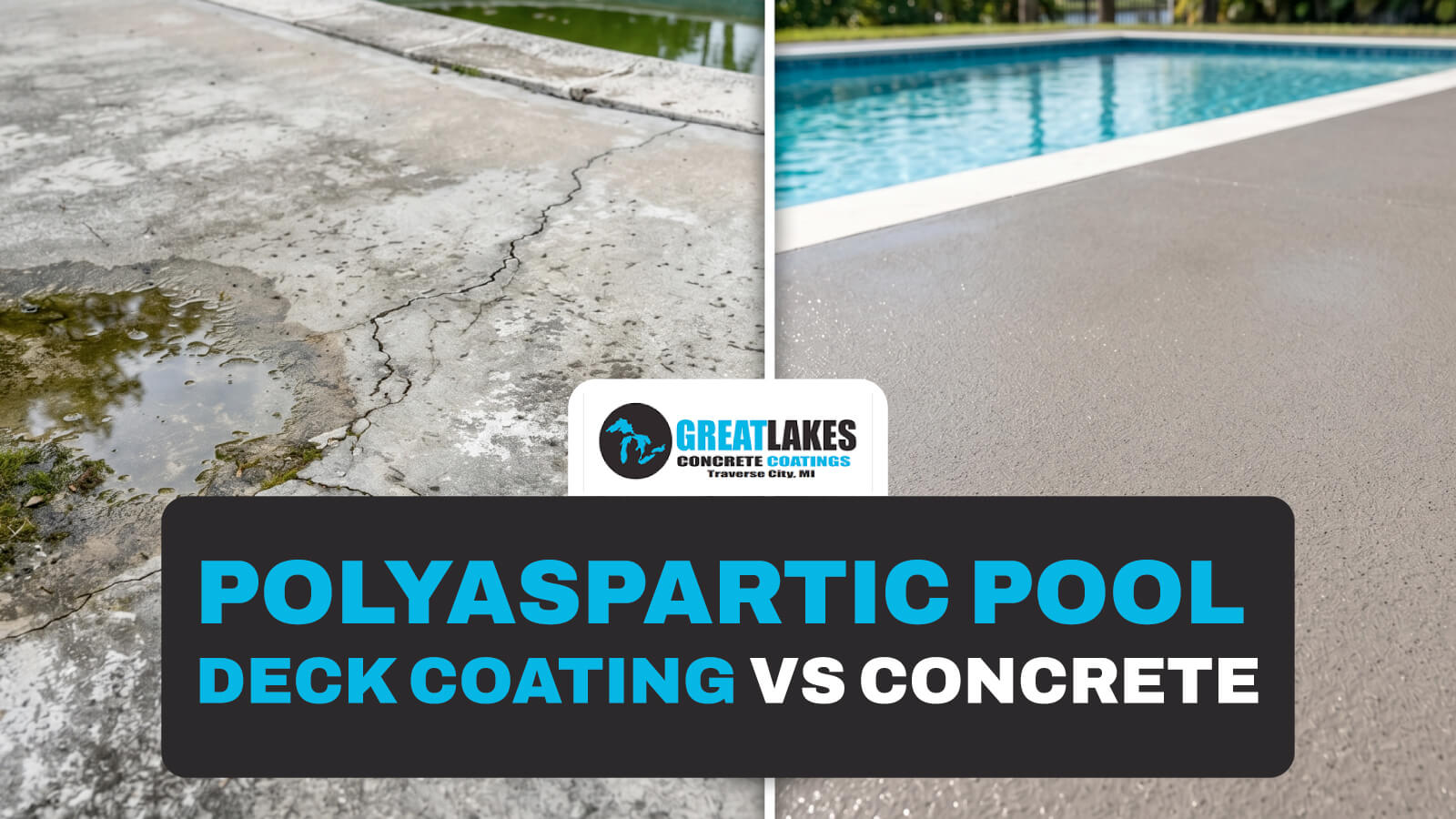
    If you’re comparing polyaspartic pool deck coating vs concrete, you likely want to know: which lasts longer, which is safer when wet, and which costs less over time.

    Short answer: Polyaspartic coatings are better for most residential pool decks because they resist UV damage, chemicals, and moisture, and can be textured for slip resistance. Bare concrete is cheaper initially but requires more maintenance and repairs.
    Pool Deck Guide

    What is polyaspartic pool deck coating?

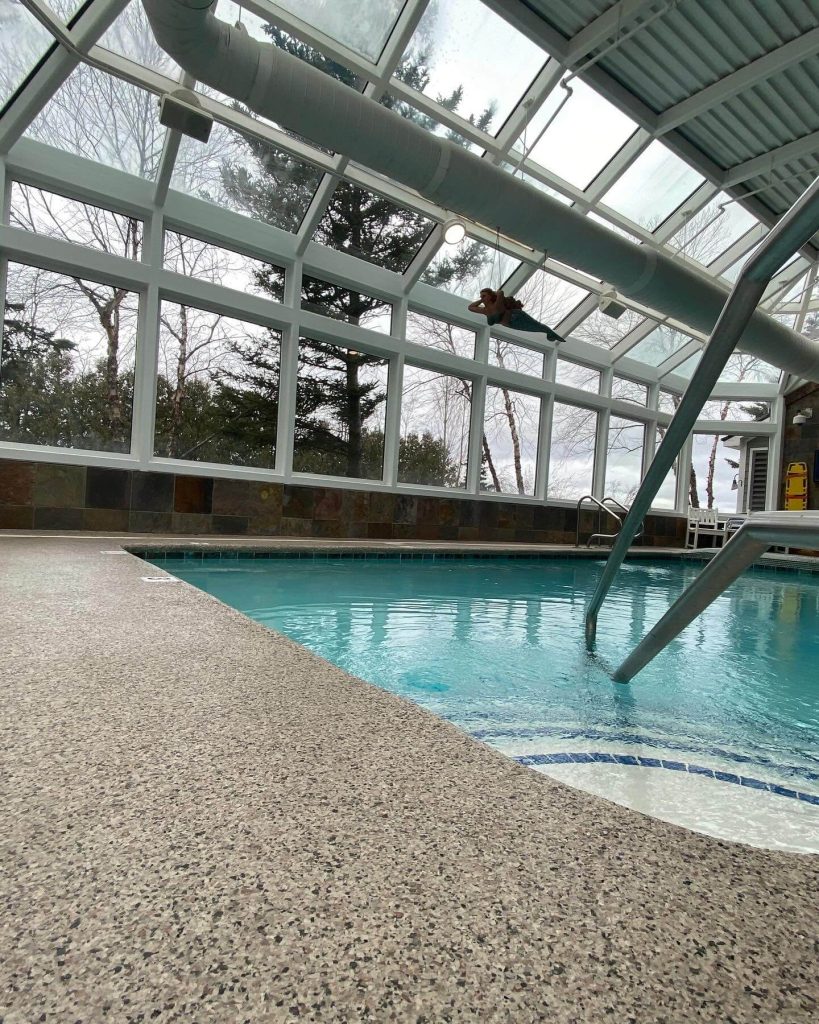
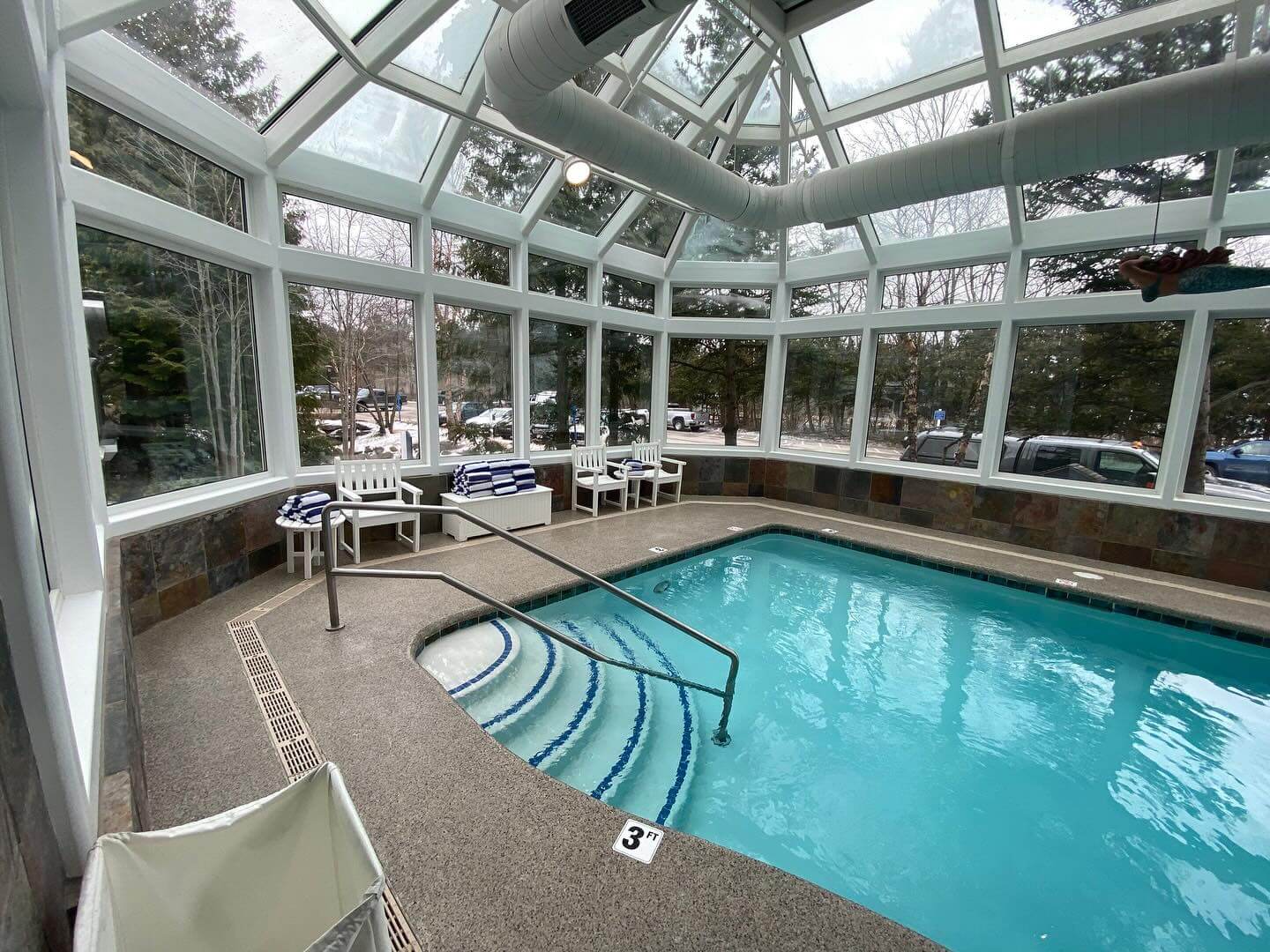
    Polyaspartic is a high-performance, UV-stable, seamless coating applied over concrete. It cures in 30–60 minutes and creates a non-porous, chemical-resistant surface.

    What is bare concrete pool deck?

    Bare concrete is unsealed poured concrete. It is affordable but porous, absorbing water, chemicals, and dirt — leading to stains, cracks, and slippery surfaces.

    Quick Comparison

    Feature Polyaspartic Bare Concrete
    Durability Flexible, resists cracking Rigid, prone to cracks
    UV Resistance Excellent, no fading Poor, fades over time
    Water Resistance Non-porous, repels moisture Absorbs water & chemicals
    Slip Safety Textured, high grip Can be slippery when wet
    Maintenance Low maintenance Needs sealing & repairs
    Lifespan 8–12 years 5–8 years
    Key Insight: Polyaspartic coatings outperform bare concrete in nearly all pool deck conditions due to UV stability, moisture resistance, and flexibility.

    Why Polyaspartic Wins

    • Fast curing (same day use)
    • Resists chlorine & salt
    • Stays cool & UV stable
    • Highly slip resistant

    Why Bare Concrete Fails

    • Absorbs moisture
    • Cracks in freeze-thaw cycles
    • Stains easily
    • Becomes slippery over time

    Final Verdict

    Polyaspartic is the better long-term solution for residential pool decks, especially in climates with temperature swings, moisture, and UV exposure. Bare concrete is only a short-term budget option.
    pool

    Polyaspartic Pool Deck Coating vs Concrete: 7 Real-World Performance Factors

    When comparing polyaspartic pool deck coating vs concrete, most guides stop at durability and cost. But pool decks face unique daily stress. Below are seven practical performance factors that actually matter to homeowners.

    1. Surface Temperature

    Winner: Polyaspartic — can be 15–25°F cooler than bare concrete.

    Bare concrete can reach 120–140°F in summer, while polyaspartic coatings reduce heat absorption through reflective pigments and textured additives.

    2. Freeze-Thaw Resistance

    Winner: Polyaspartic

    Bare concrete absorbs moisture (5–8% weight), leading to cracking in freeze-thaw cycles. Polyaspartic absorbs less than 0.5%, preventing deep water penetration.

    3. Chemical Resistance

    Winner: Polyaspartic

    Resists chlorine, saltwater, and pool chemicals that degrade bare concrete over time.

    4. Stain Resistance

    Stain Type Bare Concrete Polyaspartic
    Sunscreen Permanent stains Wipes clean
    Juice / Soda Absorbs deeply Surface wipe only
    Rust Hard to remove Does not penetrate
    Mold / Mildew Grows in pores No pores = no growth

    5. Slip Resistance

    Winner: Polyaspartic

    Textured polyaspartic systems achieve a high coefficient of friction (0.8–1.2) and remain slip-resistant for years.

    6. Maintenance & Cost (10-Year View)

    Bare Concrete

    • Frequent sealing every 1–3 years
    • Crack repairs required
    • Annual cleaning needed
    • Higher long-term maintenance

    Polyaspartic

    • No sealing required
    • Low maintenance cleaning
    • No surface cracking issues
    • Lower long-term upkeep

    7. Aesthetic Longevity

    Polyaspartic coatings resist UV fading and maintain color consistency for 8–12 years, while bare concrete becomes blotchy, faded, and uneven within 3–5 years.

    Quick Summary

    Factor Bare Concrete Polyaspartic
    Surface Temperature Very Hot Cooler
    Freeze-Thaw Resistance Poor Excellent
    Chemical Resistance Poor Excellent
    Stain Resistance Poor Excellent
    Slip Resistance Moderate High
    Maintenance Cost High over time Lower long-term
    Appearance (8 years) Faded & patchy Consistent
    Overall: Polyaspartic coatings outperform bare concrete in nearly every real-world pool deck condition, especially in climates with UV exposure and freeze-thaw cycles.

    Frequently Asked Questions

    Is polyaspartic better than concrete for pool decks?

    Yes. It is more durable, safer when wet, and resistant to UV and chemical damage.

    Does polyaspartic crack over time?

    It resists surface cracking but will not prevent structural cracks if the concrete slab moves or settles.

    Is polyaspartic expensive?

    Higher upfront cost ($5–12/sq ft) but lower long-term cost due to less maintenance and longer life.

    Can old concrete pool decks be coated with polyaspartic?

    Yes — as long as the concrete is structurally sound, properly cleaned, and moisture-tested.

    Final Answer

    Polyaspartic pool deck coating is better than bare concrete for durability, slip resistance, UV stability, and long-term value. Bare concrete costs less to install but absorbs water, stains easily, cracks faster, and requires regular sealing.

    Polyaspartic is the recommended choice for most pool decks, especially in climates with freeze-thaw cycles or intense sun.

    For a professional-grade finish, always use experienced installers and proper concrete preparation.

    Request Your Free Estimate

    Fill out our convenient form below

    Get Your Free Quote Today

    If you’re ready to protect your floors with the most durable concrete floor protection Traverse City has to offer, now is the time to act.